Common Misconceptions About Eco-Friendly Construction Practices
Understanding Eco-Friendly Construction
Eco-friendly construction is gaining momentum as more people recognize the importance of sustainable living. However, several misconceptions persist, often hindering widespread adoption. It is essential to debunk these myths to foster a more sustainable future in the construction industry.
Misconception 1: Eco-Friendly Means Expensive
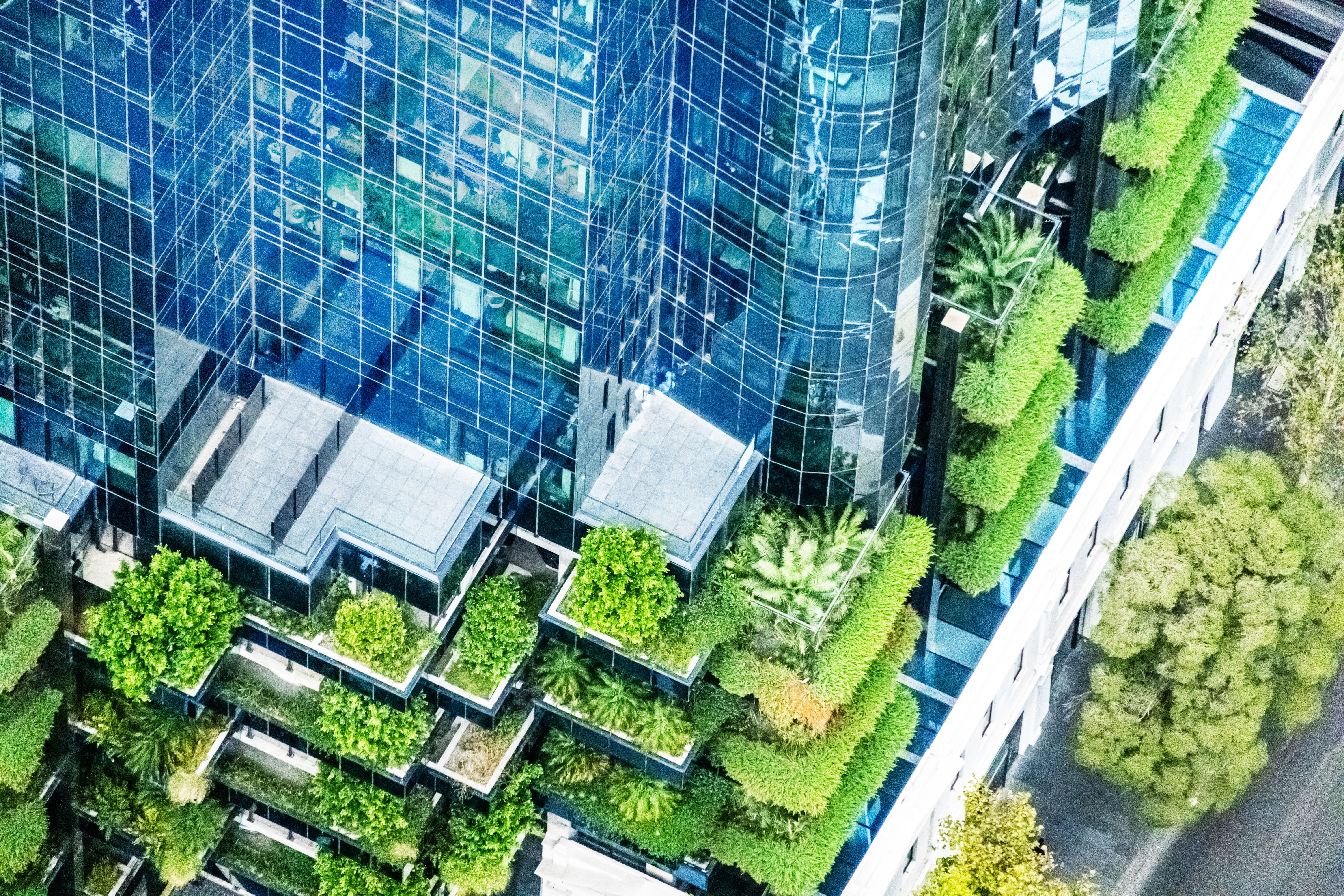
One of the most common misconceptions is that eco-friendly construction is prohibitively expensive. While it is true that some sustainable materials and technologies can have higher upfront costs, they often lead to significant savings in the long run. Energy-efficient designs can reduce utility bills, and durable materials often require less maintenance and replacement.
Moreover, as demand for sustainable options increases, prices are gradually becoming more competitive. Tax incentives and government subsidies can also offset initial costs, making eco-friendly construction more accessible than many realize.
Misconception 2: Limited Design Options
Another myth is that sustainable construction limits design creativity. In reality, eco-friendly practices can enhance architectural possibilities. Designers and builders have a wide range of materials and technologies that allow for innovative and aesthetically pleasing designs while maintaining environmental responsibility.
From reclaimed wood to cutting-edge insulation materials, the options are vast. Architects are continually finding new ways to integrate sustainability without sacrificing style or functionality.
Misconception 3: Eco-Friendly Buildings Are Less Comfortable
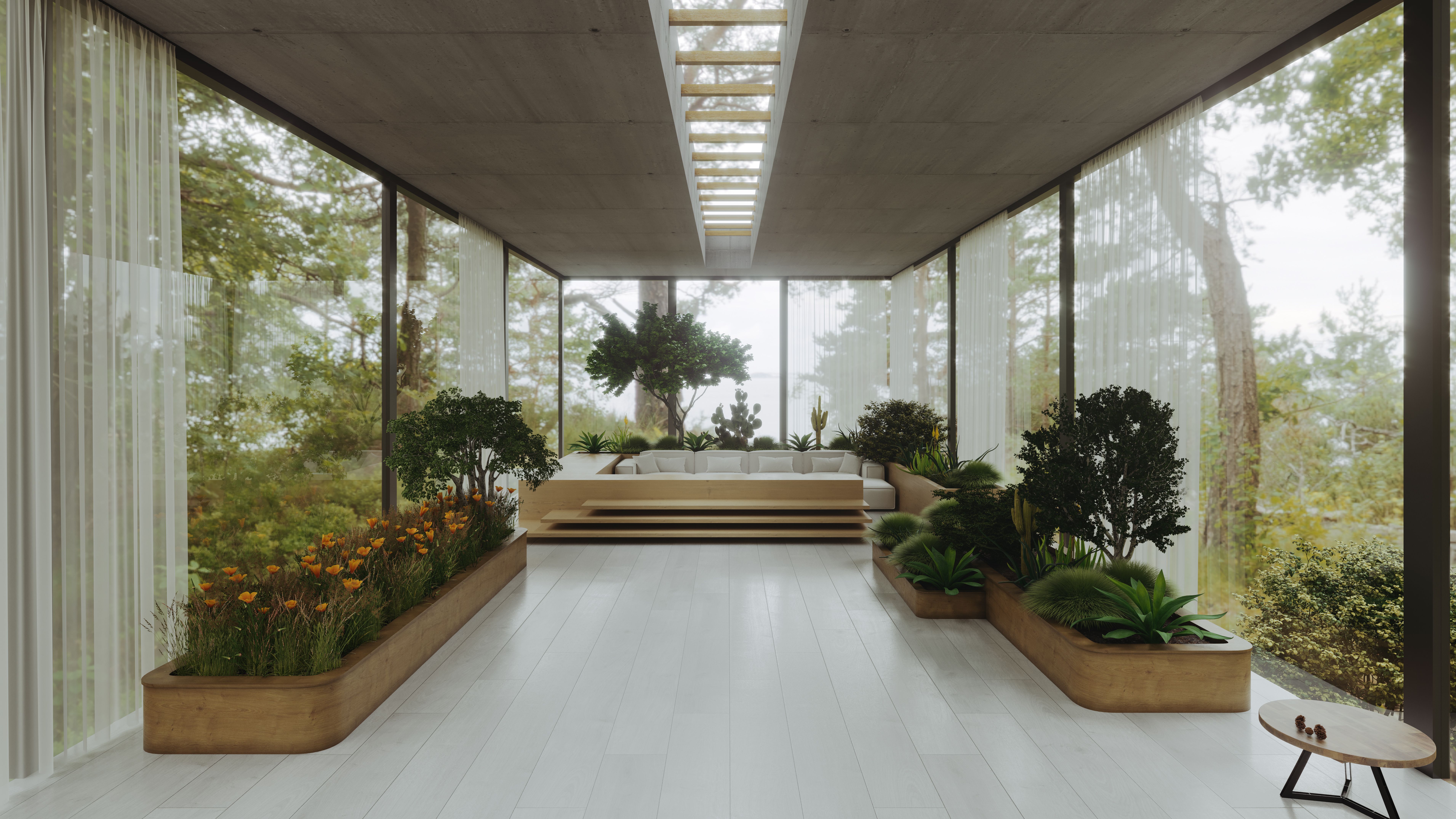
Some believe that sustainable buildings compromise comfort. This is far from the truth. Eco-friendly construction often results in improved comfort through better insulation, natural lighting, and air quality. These factors create healthier living and working environments.
Technologies such as smart thermostats and energy-efficient HVAC systems ensure that eco-friendly buildings maintain optimal comfort levels while minimizing energy consumption.
Misconception 4: Only New Buildings Can Be Eco-Friendly
There's a common belief that only new constructions can be sustainable. However, retrofitting existing structures with eco-friendly technologies is a viable and often cost-effective option. Upgrading insulation, installing energy-efficient windows, and incorporating renewable energy sources can significantly reduce a building's environmental impact.
Retrofitting not only preserves historical architecture but also contributes to sustainability by reducing the need for new materials.
Embracing Sustainable Practices
Debunking these misconceptions is crucial for advancing eco-friendly construction practices. By understanding the true benefits and possibilities, more individuals and businesses can make informed decisions that contribute to a sustainable future.
The construction industry plays a pivotal role in environmental conservation. Embracing eco-friendly practices not only supports the planet but also enhances the quality of life for all. As awareness and technology continue to evolve, the potential for sustainable construction is limitless.